

Hey there! As a supplier of Corundum Bricks, I often get asked if these bricks can be used in high - temperature furnaces. Well, let's dive right into this topic and find out.
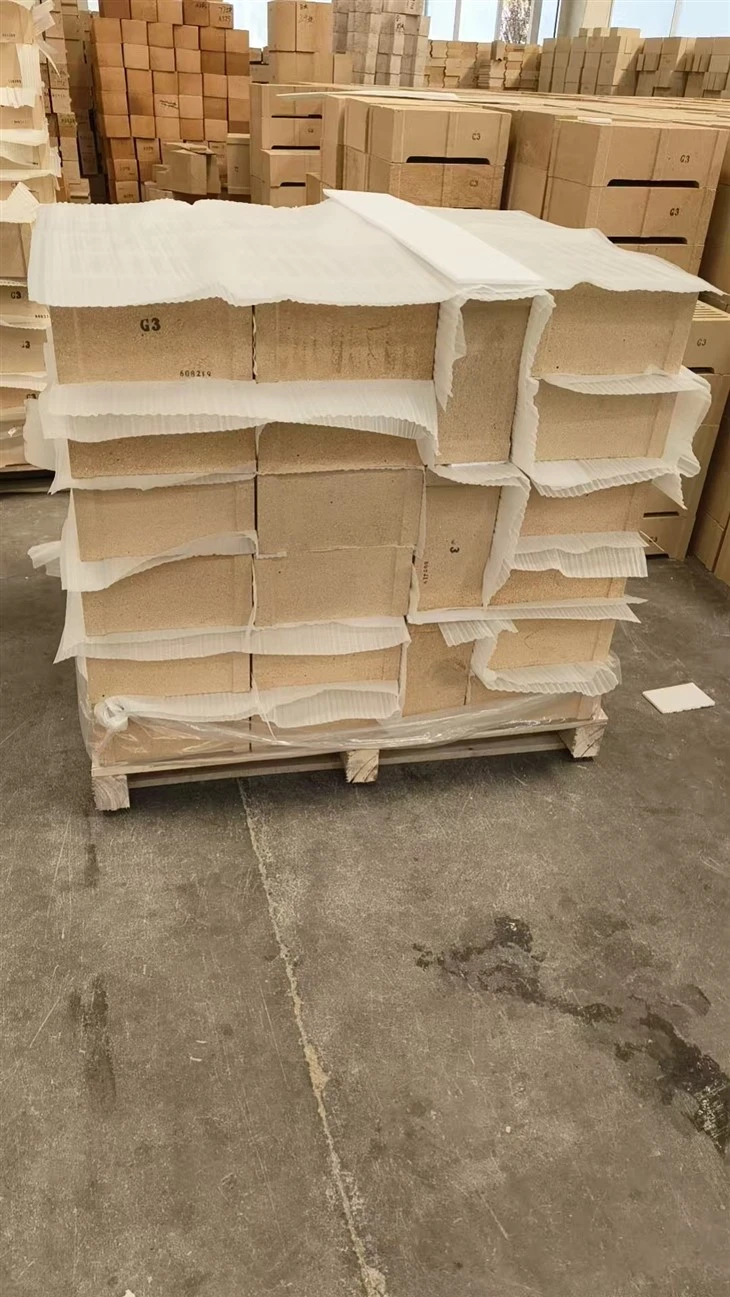
First off, what are Corundum Bricks? Corundum bricks are made from corundum, which is an extremely hard and chemically inert mineral. You can learn more about them on our website Corundum Bricks. These bricks are known for their high alumina content, usually above 90%. This high alumina content is what gives them some pretty amazing properties that make them a great candidate for high - temperature applications.
One of the key properties of corundum bricks is their excellent thermal stability. High - temperature furnaces can reach temperatures that would melt or degrade many materials. But corundum bricks can withstand these extreme temperatures without losing their shape or structural integrity. They have a high refractoriness, which means they can resist melting and softening even at extremely high temperatures. For example, in some industrial high - temperature furnaces used for metal smelting, the temperatures can soar up to 1600°C or even higher. Corundum bricks can handle these temperatures like a champ, making them ideal for lining the insides of these furnaces.
Another important property is their chemical resistance. In high - temperature furnaces, there are often various chemical reactions taking place. These reactions can produce corrosive substances that can eat away at the furnace lining. Corundum bricks are highly resistant to chemical attack. They don't react easily with acids, alkalis, or other corrosive agents. This means that they can protect the furnace structure from damage and extend the lifespan of the furnace.
Let's talk about thermal shock resistance. High - temperature furnaces are often subjected to rapid heating and cooling cycles. This sudden change in temperature can cause a lot of stress on the materials used in the furnace lining. If a material doesn't have good thermal shock resistance, it can crack and break under these conditions. Corundum bricks have a relatively low coefficient of thermal expansion, which means they expand and contract less when the temperature changes. This gives them good thermal shock resistance and allows them to withstand the rapid temperature fluctuations in high - temperature furnaces.
Now, let's look at some real - world applications. In the steel industry, high - temperature furnaces are used to melt and refine steel. These furnaces operate at very high temperatures and require a lining that can withstand the heat and the chemical reactions involved in the steel - making process. Corundum bricks are a popular choice for lining these furnaces because of their thermal stability and chemical resistance. They help to maintain the efficiency of the furnace and reduce the frequency of repairs and replacements.
In the glass manufacturing industry, high - temperature furnaces are used to melt silica and other raw materials to make glass. The furnaces need to operate at high temperatures for long periods of time. Corundum bricks can provide a stable and durable lining for these furnaces, ensuring that the glass - making process runs smoothly.
But it's not all sunshine and rainbows. There are some factors to consider when using corundum bricks in high - temperature furnaces. One of the main factors is cost. Corundum bricks are relatively expensive compared to some other types of refractory bricks. However, when you consider their long lifespan and the savings in maintenance and replacement costs, they can be a cost - effective option in the long run.
Another factor is installation. Proper installation of corundum bricks is crucial for their performance in high - temperature furnaces. If the bricks are not installed correctly, they can develop cracks and gaps, which can reduce their effectiveness and lead to premature failure. So, it's important to have experienced installers who know how to work with corundum bricks.
We also have other types of refractory products that might be of interest to you. For example, if you're in the cement industry, you might want to check out our Refractory for Cement Kiln. And if you're involved in the coke oven industry, our Checker Brick For Coke Oven could be a good option.
In conclusion, corundum bricks can definitely be used in high - temperature furnaces. Their excellent thermal stability, chemical resistance, and thermal shock resistance make them a great choice for lining these furnaces. While there are some factors like cost and installation to consider, the benefits they offer often outweigh the drawbacks.
If you're in the market for high - quality corundum bricks for your high - temperature furnace, don't hesitate to reach out. We'd love to discuss your specific needs and see how our products can help you. Whether you're looking for a reliable lining for a steel - making furnace, a glass - melting furnace, or any other high - temperature application, we've got you covered.

References
- Handbook of Refractory Materials
- Industrial Furnace Design and Operation Manual


