

Hey there! As a supplier of refractory bricks, I've seen firsthand how the firing process can have a huge impact on these essential industrial products. In this blog, I'm gonna break down how firing affects refractory bricks, from their physical properties to their performance in different applications.
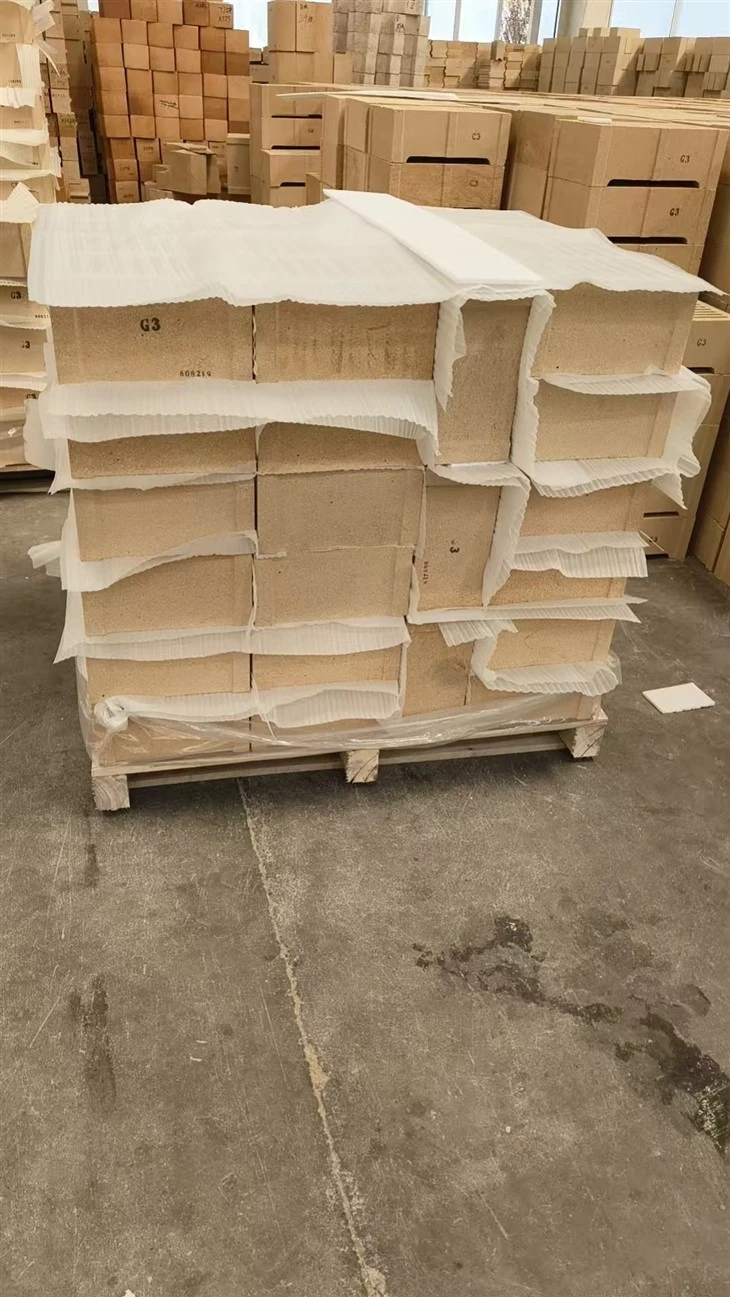
First off, let's talk about what refractory bricks are. These are special bricks designed to withstand extremely high temperatures, making them ideal for use in furnaces, kilns, and other high - heat environments. They're made from various materials like fire - clay, high - alumina, and other refractory minerals.
The firing process is a critical step in making refractory bricks. It's like the final exam for these bricks, determining whether they'll pass with flying colors or end up being not so great.
Physical Properties
One of the most obvious ways the firing process affects refractory bricks is in their physical properties. When the bricks are fired, the heat causes chemical and physical changes in the raw materials.
Density
During firing, the particles in the refractory material start to bond together more tightly. This leads to an increase in density. A higher - density brick is generally stronger and more resistant to wear and tear. For example, if you're using refractory bricks in a furnace where there's a lot of mechanical stress, a denser brick will hold up better over time.
Porosity
Porosity is another important physical property affected by firing. As the bricks are heated, the water and other volatile substances in the raw material evaporate. If the firing is done correctly, the pores left behind are small and well - distributed. Low - porosity bricks are better at resisting the penetration of molten metals, slag, and gases. This is crucial in applications like Checker Brick For Coke Oven, where the bricks need to be impermeable to the harsh chemicals and gases produced in the coke - making process.
Hardness
The firing temperature also plays a big role in determining the hardness of the bricks. Higher firing temperatures usually result in harder bricks. Harder bricks are more resistant to abrasion, which is important in environments where there's a lot of friction, like in the lining of a cement kiln.
Chemical Properties
The firing process can also change the chemical properties of refractory bricks.
Phase Transformations
At high temperatures, the minerals in the refractory material can undergo phase transformations. For instance, in high - alumina bricks, the firing process can convert some of the alumina into different crystal structures. These new structures can have different chemical and physical properties, which can improve the brick's performance in high - temperature applications. High Alumina Bricks are often used in steel - making furnaces because of their excellent thermal and chemical stability, which is enhanced by the phase transformations during firing.
Chemical Stability
A well - fired refractory brick is more chemically stable. It can better resist chemical reactions with the substances it comes into contact with at high temperatures. For example, in an electric furnace, the bricks need to be chemically stable in the presence of molten steel and various fluxes. Electric Furnace Top Brick is designed to have high chemical stability to ensure a long service life in this demanding environment.
Performance in Different Applications
The way a refractory brick is fired can make or break its performance in different industrial applications.
Furnaces
In furnaces, the firing process determines how well the bricks can handle the high temperatures and thermal cycling. Thermal cycling is when the temperature in the furnace goes up and down repeatedly. A brick that's been fired properly can expand and contract without cracking. This is essential for maintaining the integrity of the furnace lining and preventing heat loss.
Kilns
Kilns, whether for making ceramics or cement, require refractory bricks that can withstand the specific temperature and chemical conditions. For example, in a ceramic kiln, the bricks need to be able to resist the acidic fumes produced during the firing of the ceramics. The firing process of the refractory bricks can be adjusted to enhance their resistance to these acidic substances.
Incinerators
Incinerators deal with a lot of corrosive gases and high - temperature combustion. Refractory bricks used in incinerators need to be highly resistant to corrosion and thermal shock. The firing process can be optimized to produce bricks with the right combination of density, porosity, and chemical stability to meet these requirements.
Firing Methods and Their Impact
There are different firing methods used in the production of refractory bricks, and each has its own impact.
Tunnel Kilns
Tunnel kilns are a popular choice for firing refractory bricks. In a tunnel kiln, the bricks are slowly moved through a long tunnel where the temperature gradually increases and then decreases. This slow and controlled firing process allows for uniform heating and cooling, which results in bricks with consistent properties. The bricks fired in a tunnel kiln are often of high quality and have fewer defects.
Shuttle Kilns
Shuttle kilns are another option. They're more suitable for small - scale production or for firing bricks with special requirements. In a shuttle kiln, the bricks are loaded into a chamber, and the chamber is heated. The advantage of a shuttle kiln is that it can be more flexible in terms of the firing temperature and time. However, it can be more difficult to achieve the same level of uniformity as in a tunnel kiln.
Quality Control in the Firing Process
As a refractory brick supplier, quality control during the firing process is crucial. We use a variety of techniques to ensure that the bricks meet the required standards.
Temperature Monitoring
We constantly monitor the temperature inside the kiln during firing. This is done using thermocouples and other temperature - sensing devices. By keeping a close eye on the temperature, we can make sure that the bricks are fired at the right temperature for the right amount of time.
Sampling and Testing
We also take samples of the fired bricks and test them for various properties like density, porosity, and strength. If the test results don't meet the standards, we can adjust the firing process accordingly.
Conclusion
In conclusion, the firing process has a profound impact on refractory bricks. It affects their physical and chemical properties, which in turn determine their performance in different industrial applications. As a supplier, we understand the importance of getting the firing process right. Whether you need Checker Brick For Coke Oven, High Alumina Bricks, or Electric Furnace Top Brick, we're committed to providing high - quality bricks that are fired to perfection.
If you're in the market for refractory bricks and want to discuss your specific needs, don't hesitate to reach out. We're here to help you find the best refractory solutions for your business.

References
- "Refractory Materials: Properties and Selection" by John Smith
- "Handbook of Refractory Technology" by Jane Doe


