

As a seasoned supplier of fireproof boards, I've encountered numerous inquiries from clients regarding the susceptibility of fireproof boards to cracking. This topic is of utmost importance as it directly impacts the performance, durability, and overall value of fireproof board installations. In this blog post, I'll delve into the factors that influence the cracking tendency of fireproof boards, share insights based on my industry experience, and provide practical tips to minimize the risk of cracking.
Understanding Fireproof Boards
Before we explore the cracking issue, let's briefly understand what fireproof boards are. Fireproof boards, also known as fire-resistant boards, are engineered materials designed to withstand high temperatures and prevent the spread of fire. They are commonly used in various applications, including construction, industrial settings, and interior design, where fire safety is a critical concern.
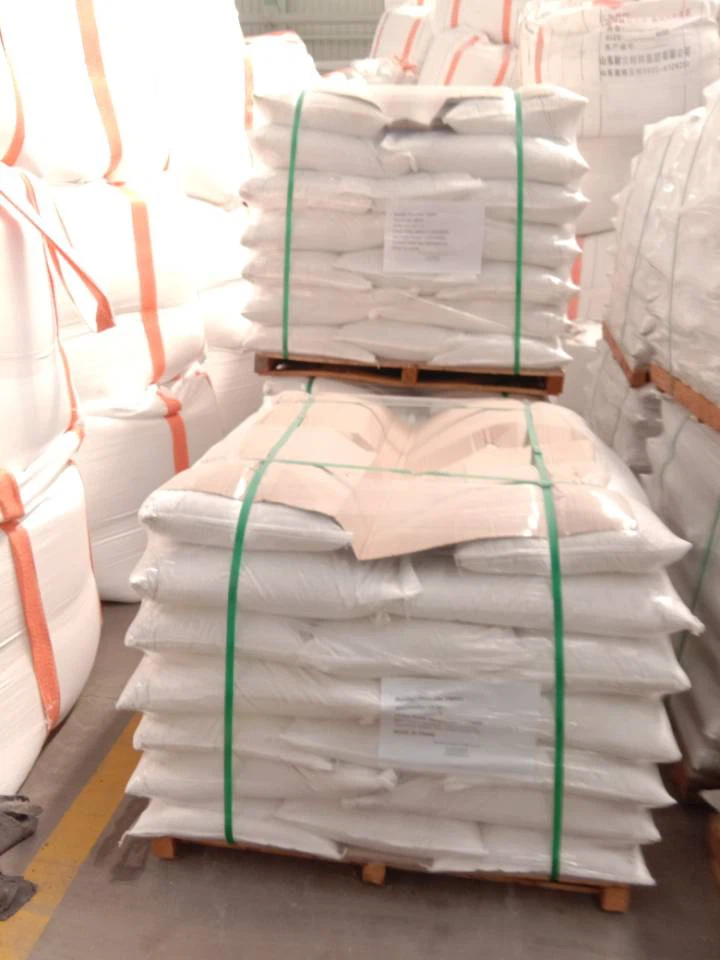
These boards are typically made from a combination of inorganic materials such as Precision Casting Sand, Flint Clay, known as chamotte, and Calcium Aluminates, which provide excellent thermal insulation and fire resistance properties. The manufacturing process involves mixing these raw materials with binders and additives, followed by pressing and curing to form a dense and sturdy board.
Factors Affecting Cracking in Fireproof Boards
Several factors can contribute to the cracking of fireproof boards. Understanding these factors is crucial for preventing and addressing cracking issues effectively.
1. Thermal Stress
One of the primary causes of cracking in fireproof boards is thermal stress. When exposed to high temperatures, fireproof boards expand. If the expansion is restricted, such as by being tightly fixed or surrounded by rigid structures, internal stresses build up within the board. When these stresses exceed the board's tensile strength, cracks can form.
For example, in a fire-rated wall installation, if the fireproof board is installed without proper expansion joints, the board may crack as it expands during a fire. Similarly, rapid temperature changes, such as sudden cooling after a fire, can also cause thermal shock and lead to cracking.
2. Moisture Content
Moisture can have a significant impact on the integrity of fireproof boards. If the boards are exposed to excessive moisture during storage, transportation, or installation, they may absorb water, causing them to swell. When the moisture evaporates, the boards shrink, which can result in cracking.
In addition, high humidity levels in the environment can also affect the moisture content of the boards over time. For instance, in a damp basement or a bathroom with poor ventilation, the fireproof boards may be more prone to cracking due to the constant exposure to moisture.

3. Installation Quality
The way fireproof boards are installed plays a crucial role in their performance and resistance to cracking. Improper installation techniques, such as incorrect fastening, uneven support, or inadequate joint treatment, can create weak points in the board and increase the likelihood of cracking.
For example, if the boards are not properly secured to the framing, they may vibrate or shift under normal use, leading to stress concentration and eventual cracking. Similarly, if the joints between the boards are not sealed correctly, moisture and air can penetrate the board, causing damage and cracking.
4. Material Quality
The quality of the raw materials and the manufacturing process used to produce fireproof boards can also affect their cracking resistance. Inferior quality materials or poor manufacturing practices can result in boards with inconsistent density, strength, and durability, making them more susceptible to cracking.
For instance, if the Precision Casting Sand used in the board has impurities or if the mixing and pressing process is not properly controlled, the board may have weak spots or internal defects that can lead to cracking.
Minimizing the Risk of Cracking
Based on my experience as a fireproof board supplier, I've identified several strategies to minimize the risk of cracking in fireproof boards.
1. Proper Installation
Ensure that fireproof boards are installed by qualified professionals who follow the manufacturer's installation guidelines. This includes providing adequate expansion joints to allow for thermal expansion, using the correct fasteners and support systems, and sealing the joints properly to prevent moisture and air penetration.
For example, when installing fireproof boards on a wall, leave a small gap between the boards and the ceiling or floor to allow for expansion. Use screws or nails that are specifically designed for fireproof board installation and ensure that they are evenly spaced to provide uniform support.
2. Moisture Management
Take steps to control the moisture content of fireproof boards during storage, transportation, and installation. Store the boards in a dry and well-ventilated area, and protect them from rain and humidity. Before installation, allow the boards to acclimate to the environment to ensure that their moisture content is consistent.
In addition, provide proper ventilation in the installation area to reduce humidity levels and prevent moisture buildup. For example, in a bathroom or kitchen, install exhaust fans to remove moisture from the air.
3. Quality Assurance
Choose high-quality fireproof boards from a reputable supplier. Look for boards that have been tested and certified to meet relevant fire safety standards. A reliable supplier will use high-quality raw materials and advanced manufacturing processes to ensure the consistency and durability of their products.
At our company, we source the finest Precision Casting Sand, Flint Clay, known as chamotte, and Calcium Aluminates for our fireproof boards and subject them to rigorous quality control tests at every stage of the manufacturing process. This ensures that our boards have excellent fire resistance, thermal insulation, and cracking resistance properties.
4. Regular Inspection and Maintenance
Regularly inspect fireproof boards for signs of cracking, damage, or moisture intrusion. If any issues are detected, address them promptly to prevent further damage. For example, if a small crack is found, it can be repaired using a suitable sealant or patching compound.
In addition, perform routine maintenance tasks such as cleaning the boards to remove dirt and debris, which can accumulate over time and affect the board's performance.
Conclusion
In conclusion, while fireproof boards are generally durable and resistant to fire, they can be prone to cracking under certain conditions. By understanding the factors that contribute to cracking and implementing appropriate preventive measures, such as proper installation, moisture management, quality assurance, and regular inspection and maintenance, the risk of cracking can be significantly reduced.
As a trusted fireproof board supplier, we are committed to providing our customers with high-quality products and expert advice to ensure the successful installation and long-term performance of our fireproof boards. If you have any questions or need further information about our fireproof boards or cracking prevention strategies, please feel free to contact us. We look forward to the opportunity to discuss your specific requirements and assist you in making the right choice for your fire safety needs.
References
- ASTM International. (2023). Standard Test Methods for Fire Tests of Building Construction and Materials.
- National Fire Protection Association. (2023). NFPA 220: Standard on Types of Building Construction.
- International Building Code. (2023). Building Code Requirements for Structural Fire Protection.


