

As a well - established refractory brick supplier, I often encounter inquiries from customers about the installation process of refractory bricks. One of the most frequently asked questions is whether special equipment is needed for the installation. In this blog post, I will delve into this topic in detail and provide a comprehensive answer.

Understanding Refractory Bricks
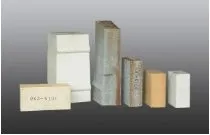
Before discussing the installation equipment, it's essential to understand what refractory bricks are. Refractory bricks are specially designed to withstand high temperatures, chemical corrosion, and mechanical stress. They are widely used in various industrial applications, such as Electric Furnace Top Brick, Refractory for Cement Kiln, and Coke Oven Dry Quenching Bricks. These bricks come in different shapes, sizes, and compositions to meet the specific requirements of different industries.
Factors Affecting the Need for Special Equipment
Nature of the Project
The scale and complexity of the project play a crucial role in determining whether special equipment is required. For small - scale projects, such as the repair of a small furnace or a domestic fireplace, basic hand tools may be sufficient. These tools typically include trowels, hammers, and levels. Trowels are used to apply mortar between the bricks, hammers are used for cutting and adjusting the bricks, and levels ensure that the bricks are laid in a straight and even manner.
However, for large - scale industrial projects, such as the construction of a new cement kiln or a large - capacity electric furnace, special equipment becomes necessary. In these cases, the sheer volume of bricks to be installed and the high precision required demand more advanced tools. For example, in a cement kiln project, the refractory lining needs to be installed with a high degree of accuracy to ensure proper heat insulation and chemical resistance. Specialized equipment like brick - laying machines can significantly speed up the installation process and ensure consistent quality.
Type of Refractory Bricks
Different types of refractory bricks have different installation requirements. Some refractory bricks are lightweight and easy to handle, while others are heavy and require special lifting equipment. For instance, high - alumina refractory bricks are relatively heavy due to their high density. When installing these bricks, a forklift or a crane may be needed to lift and position them accurately.
Moreover, some refractory bricks are designed with special interlocking mechanisms or complex shapes. These bricks require specialized tools for proper installation. For example, some refractory bricks used in the lining of a blast furnace have a unique shape that requires a custom - made template to ensure correct alignment.
Installation Environment
The installation environment also influences the need for special equipment. If the installation site is in a confined space, such as the interior of a small furnace, it may be difficult to use large - scale equipment. In such cases, portable and compact tools may be more suitable. On the other hand, if the installation site is outdoors or in a large industrial hall, larger equipment can be easily maneuvered.
In addition, the temperature and humidity of the installation environment can affect the installation process. In high - temperature environments, special cooling equipment may be required to prevent the bricks from overheating during installation. In humid environments, dehumidifiers may be necessary to ensure the proper setting of the mortar.
Special Equipment Commonly Used in Refractory Brick Installation
Mortar Mixing Equipment
Properly mixed mortar is essential for a strong and durable refractory brick installation. Mortar mixing equipment, such as mortar mixers, ensures that the mortar is mixed uniformly. These mixers can range from small, portable models for small - scale projects to large, industrial - grade mixers for large - scale installations. The use of a mortar mixer not only saves time but also improves the quality of the mortar, which in turn enhances the overall performance of the refractory lining.
Brick - Laying Machines
Brick - laying machines are becoming increasingly popular in large - scale refractory brick installations. These machines can lay bricks quickly and accurately, reducing the labor - intensive nature of the installation process. They are equipped with advanced control systems that can adjust the position and alignment of the bricks with high precision. Some brick - laying machines can also apply mortar automatically, further streamlining the installation process.
Lifting Equipment
As mentioned earlier, heavy refractory bricks often require lifting equipment. Forklifts, cranes, and hoists are commonly used to lift and position the bricks. Forklifts are suitable for moving bricks within a relatively small area, while cranes are more suitable for large - scale installations where bricks need to be lifted to significant heights. Hoists are often used in confined spaces or for more precise lifting operations.
Cutting and Shaping Equipment
In some cases, refractory bricks need to be cut or shaped to fit the specific requirements of the installation. Cutting equipment such as diamond saws can be used to cut refractory bricks accurately. These saws are capable of making clean and precise cuts, even on hard - to - cut refractory materials. Shaping equipment, such as grinding machines, can be used to smooth the edges of the bricks or to create custom shapes.
Benefits of Using Special Equipment
Improved Efficiency
Special equipment can significantly improve the efficiency of the installation process. For example, a brick - laying machine can lay bricks at a much faster rate than manual labor. This not only reduces the installation time but also allows for the completion of projects within a shorter timeframe. In industrial settings, where downtime can result in significant financial losses, the ability to complete the installation quickly is crucial.
Enhanced Quality
The use of special equipment ensures a higher level of quality in the installation. Brick - laying machines, for instance, can ensure that the bricks are laid with a consistent joint thickness and alignment. This consistency is difficult to achieve with manual labor alone. In addition, mortar mixing equipment ensures that the mortar has the right consistency and composition, which is essential for the long - term durability of the refractory lining.
Safety
Special equipment can also improve safety during the installation process. Lifting equipment reduces the risk of manual handling injuries, especially when dealing with heavy refractory bricks. Moreover, specialized cutting and shaping equipment are designed to operate safely, reducing the risk of accidents caused by improper use of tools.
Conclusion
In conclusion, whether special equipment is needed to install refractory bricks depends on several factors, including the nature of the project, the type of refractory bricks, and the installation environment. While basic hand tools may be sufficient for small - scale projects, large - scale industrial projects often require specialized equipment to ensure efficiency, quality, and safety.
As a refractory brick supplier, I understand the importance of providing customers with not only high - quality refractory bricks but also the necessary guidance on installation. If you are planning a refractory brick installation project, I encourage you to contact us to discuss your specific requirements. Our team of experts can help you determine the most suitable type of refractory bricks and the appropriate installation equipment for your project. We are committed to providing comprehensive solutions to meet your needs and ensure the success of your project.
References
- "Refractory Technology Handbook" by R. N. Singh
- "Industrial Furnaces: Principles, Design, and Operation" by S. K. Sengupta
- "Cement Kiln Refractories: A Practical Guide" by P. K. Roy


