

Cryolite, a mineral with the chemical formula Na₃AlF₆, has been a significant industrial substance for many years, especially in the aluminum smelting process. As a cryolite supplier, I've witnessed its wide - spread use and the various discussions around its environmental impacts, particularly on aquatic ecosystems. In this blog, I'll delve into the potential impacts of cryolite on aquatic environments, based on scientific research and real - world observations.
Physical and Chemical Properties of Cryolite
Cryolite is a white or colorless mineral that is sparingly soluble in water. When it enters an aquatic environment, its solubility plays a crucial role in determining its behavior and potential impacts. In water, cryolite can dissociate into sodium ions (Na⁺), aluminum ions (Al³⁺), and fluoride ions (F⁻). These ions can have different effects on aquatic organisms depending on their concentrations.
Impact on Water Chemistry
One of the primary ways cryolite affects aquatic ecosystems is by altering water chemistry. The release of fluoride ions is a major concern. Fluoride is a well - known toxicant to many aquatic species. High concentrations of fluoride can change the pH of the water, making it more acidic in some cases. This change in pH can have a cascading effect on the solubility of other minerals and metals in the water. For example, it can increase the solubility of heavy metals, which are already harmful to aquatic life.
The presence of aluminum ions from cryolite dissociation can also be problematic. Aluminum can form complexes with other substances in the water, such as organic matter. These complexes can reduce the availability of essential nutrients for aquatic plants and animals. Moreover, aluminum can accumulate in the gills of fish, leading to respiratory problems and reduced oxygen uptake.
Effects on Aquatic Plants
Aquatic plants are the foundation of many aquatic ecosystems. They play a vital role in oxygen production, nutrient cycling, and providing habitat for other organisms. Cryolite can have both direct and indirect effects on these plants.
Directly, the fluoride and aluminum ions released from cryolite can inhibit the growth of aquatic plants. Fluoride can interfere with various metabolic processes in plants, such as photosynthesis and respiration. It can also damage the cell membranes of plant cells, leading to reduced nutrient uptake and growth. Aluminum can bind to the roots of plants, preventing the normal absorption of water and nutrients.
Indirectly, the changes in water chemistry caused by cryolite can affect the availability of light and nutrients for plants. For example, the increased turbidity due to the formation of aluminum complexes can reduce the amount of light reaching the plants, limiting their photosynthetic activity.
Impact on Aquatic Invertebrates
Aquatic invertebrates, such as insects, crustaceans, and mollusks, are an important part of the food chain in aquatic ecosystems. Cryolite can have significant impacts on these organisms.
Fluoride is toxic to many invertebrates. It can affect their growth, development, and reproduction. For example, in crustaceans, fluoride can interfere with the molting process, which is essential for their growth. Aluminum can also have a negative impact on invertebrates. It can accumulate in their tissues, causing damage to their internal organs and reducing their survival rates.
Some invertebrates are more sensitive to cryolite than others. For instance, freshwater mussels are highly sensitive to changes in water quality, including the presence of cryolite - derived ions. Their filter - feeding behavior exposes them to high concentrations of pollutants in the water, making them particularly vulnerable.
Effects on Fish
Fish are often the most visible and economically important part of aquatic ecosystems. Cryolite can have several detrimental effects on fish.
As mentioned earlier, the accumulation of aluminum in the gills of fish can lead to respiratory distress. This can cause fish to become more susceptible to diseases and reduce their ability to swim and find food. Fluoride can also affect the nervous system of fish, leading to abnormal behavior and reduced swimming performance.
In addition, cryolite can affect the reproductive success of fish. High concentrations of fluoride and aluminum can disrupt the hormonal balance in fish, leading to reduced egg production and hatching rates. This can have long - term consequences for fish populations in affected aquatic ecosystems.
Mitigation and Management
As a cryolite supplier, I understand the importance of minimizing the environmental impacts of our product. There are several strategies that can be employed to reduce the impact of cryolite on aquatic ecosystems.
One approach is to improve the industrial processes that use cryolite. For example, in the aluminum smelting industry, better waste management practices can reduce the amount of cryolite that is released into the environment. This can include recycling cryolite within the production process and treating waste water to remove cryolite - derived ions before discharging it into water bodies.
Another strategy is to use alternative substances in place of cryolite in some applications. For example, Flint Clay,known as chamotte, Precision Casting Sand, and Calcium Aluminates can be used in some refractory applications where cryolite was previously used. These alternatives may have lower environmental impacts.
Conclusion
Cryolite has significant impacts on aquatic ecosystems, primarily through the release of fluoride and aluminum ions and the subsequent changes in water chemistry. These impacts can affect aquatic plants, invertebrates, and fish, leading to disruptions in the food chain and overall ecosystem health.
However, as a cryolite supplier, I am committed to working with industries to minimize these impacts. By improving industrial processes, exploring alternative materials, and implementing effective waste management strategies, we can reduce the negative effects of cryolite on aquatic environments.
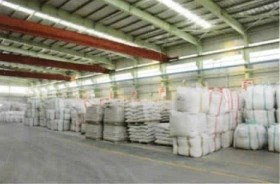

If you are interested in learning more about cryolite or are considering purchasing cryolite for your industrial needs, I encourage you to contact us for a detailed discussion. We can provide you with information on the quality of our cryolite, its applications, and our efforts to ensure environmental sustainability.
References
- Brix, H., & Lyngby, J. E. (1983). Effects of fluoride on primary production in aquatic ecosystems. Water Research, 17(6), 759 - 764.
- Camargo, J. A. (2003). Effects of aluminum on fish in acidic waters. Reviews in Fish Biology and Fisheries, 13(2), 151 - 171.
- National Research Council (U.S.). Committee on Fluoride in Drinking Water. (2006). Fluoride in Drinking Water: A Scientific Review of EPA's Standards. National Academies Press.


